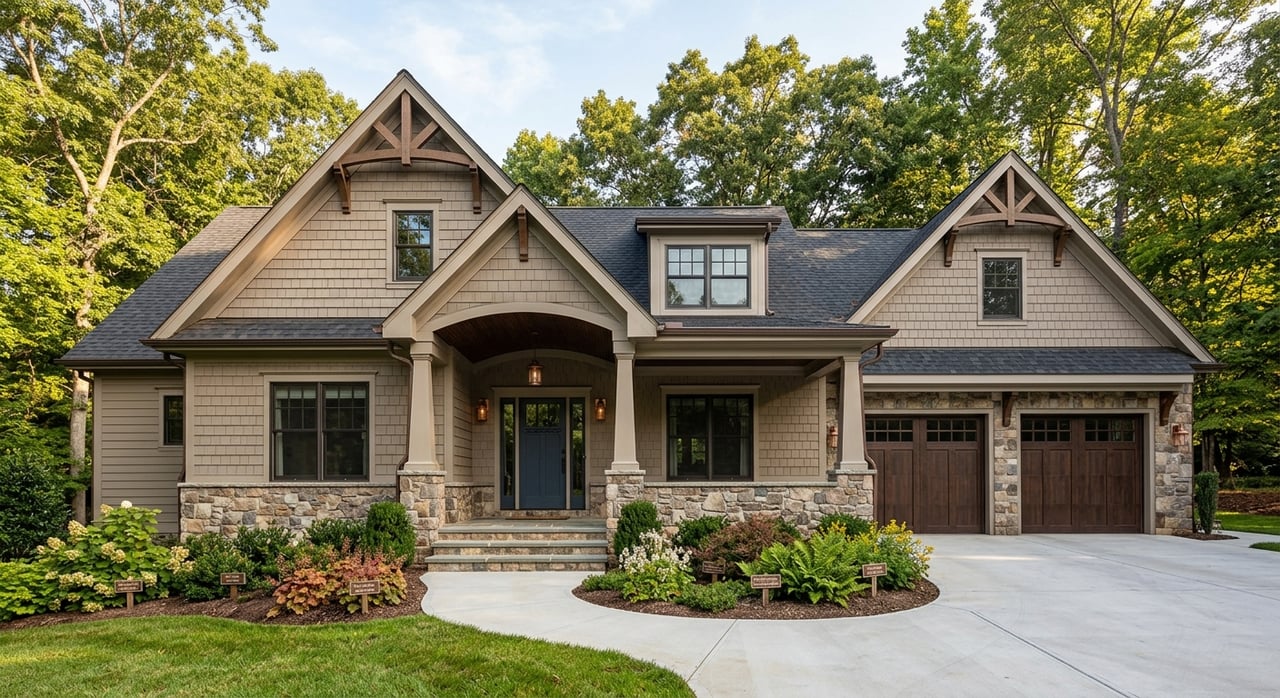
If you are thinking about listing your High Point home, the biggest mistake is assuming the process starts with a sign in the yard. In reality, the best results usually come from the work you do before your home ever hits the market. When you understand pricing, prep, disclosures, and timing ahead of time, you can make smarter decisions and avoid last-minute stress. Let’s dive in.
Start With High Point Pricing Reality
High Point is not a one-number market. As of April 2026, the median sale price in High Point was $274,358, homes took about 44 days to sell, and the average sale was about 3% below list price. That tells you the market is active, but buyers are still paying attention to value.
It also shows why a citywide average only goes so far. ZIP-level data paints a different picture, with 27262 around $298,850 and a median of 44 days on market, while 27260 was around $182,408 with a median of 54 days on market. If you want a realistic pricing plan, you need a neighborhood-specific and price-band-specific look at the market, not just a broad High Point headline.
Know What Shapes Your List Price
Your list price should reflect more than what you hope to get. Agents typically look at recent comparable sales, active listings, pending listings, your home’s condition, size, location, amenities, and current local trends when recommending a price. That mix helps create a pricing strategy that fits your goals and the current market.
If your priority is speed, a more competitive price may help your home move faster. If you have more flexibility, you may be able to test the market more carefully. The key is to understand the tradeoff between pricing for attention and pricing for negotiation room.
Ask for a Detailed CMA
Before listing, ask for a comparative market analysis that is specific to your area of High Point. A strong CMA should compare homes that are similar in size, condition, age, and style, while also accounting for what buyers are actually doing right now. That matters even more in a market where one ZIP code can perform very differently from another.
This is also a good time to ask how your home would be marketed and what steps could help it show better. Sellers often want help with pricing, marketing, and deciding what to fix before listing. Those early conversations can shape the entire selling process.
Focus on Repairs That Matter
You do not need to remodel your house to sell it. Cosmetic updates are not required, and not every home needs major work before it goes on the market. What matters most is understanding which issues could affect buyer interest, negotiations, or inspections.
A pre-sale inspection is optional, but it can help uncover problems before a buyer finds them. Even if you do not plan to fix every issue, it can still be helpful to price out bigger-ticket items like a roof, HVAC system, or appliances. That gives you a clearer picture of what a buyer may notice and what could come up later in negotiations.
Prioritize Clean, Safe, and Functional
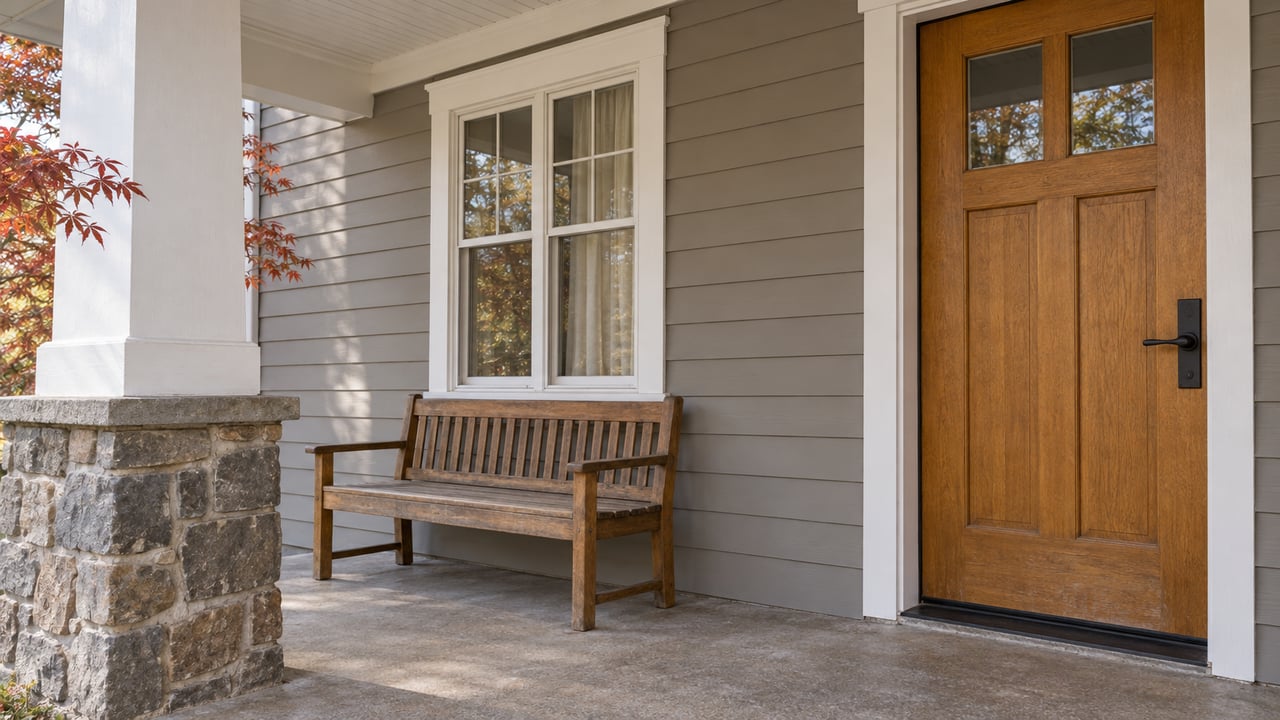
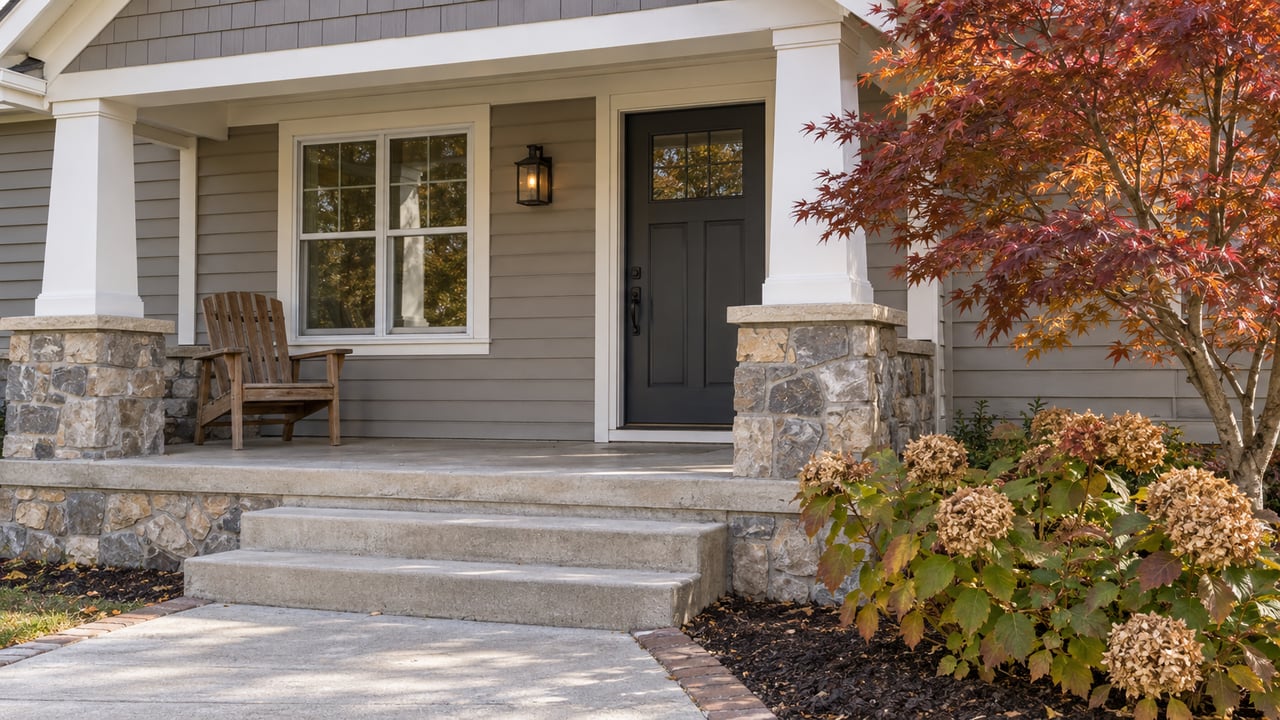
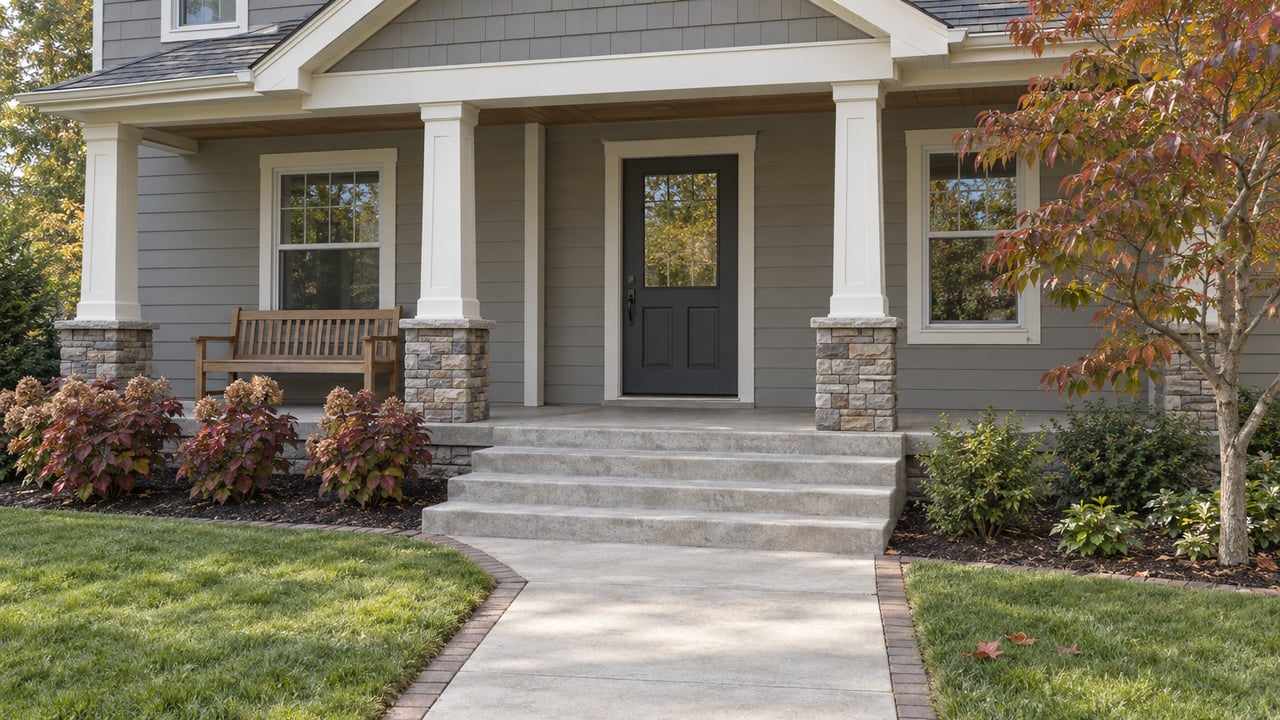
For many sellers, the best return comes from simple, practical prep. Cleaning windows, carpets, lighting fixtures, and walls can improve how your home feels both online and in person. Clearing clutter and improving curb appeal can also make a strong difference without requiring a large investment.
If something is broken, leaking, or clearly worn out, it is worth discussing before launch. Buyers notice visible maintenance issues quickly, and those details can affect both offers and inspection conversations. A strategic pre-list plan can help you spend where it counts instead of guessing.
Check Permits Before Bigger Work
If your pre-list work goes beyond paint, cleanup, and basic cosmetic touches, pause before starting. The City of High Point says a permit must be obtained before construction, repair, or alteration of a residential or commercial structure. In unincorporated areas, Guilford County handles building, electrical, plumbing, and mechanical inspections.
That means you should confirm which jurisdiction applies to your property before scheduling major work. If a project could involve building systems or a trade permit, it is smart to verify the rules first. That small step can help you avoid delays and surprises during the listing process.
Take Disclosures Seriously
In North Carolina, most sellers of residential one- to four-unit properties must provide two disclosure forms before an offer. These are the Residential Property and Owners' Association Disclosure Statement and the Mineral and Oil and Gas Rights Mandatory Disclosure Statement. This is one of the most important parts of pre-listing prep because it is tied directly to accuracy and transparency.
Just as important, an as-is sale does not remove your disclosure duties or a buyer’s right to inspect the property. North Carolina guidance also notes that sellers can be liable for knowingly withholding latent defects. The practical takeaway is simple: be complete, be honest, and do not guess when filling out disclosures.
Treat Photos Like Part of the Launch
Your online debut matters more than ever. According to NAR, 52% of buyers found the home they purchased online, nearly half said their search started online, and 81% rated listing photos as the most useful feature in their search. In other words, photos are not a small detail. They are one of the main reasons a buyer decides whether to learn more.
The first few days after your listing goes live carry extra weight, so your photo shoot should be part of the launch plan. If your home is not ready for photos, it is usually better to wait and launch strong than to rush online with images that do not help you compete.
Prep for the Camera
A camera sees things differently than you do. It tends to magnify clutter, awkward furniture placement, and distracting details that may feel normal in daily life. That is why simple prep steps can make such a big impact.
Before photos, focus on:
- Opening blinds for natural light
- Removing magnets and distracting wall art
- Clearing counters and reducing visible clutter
- Paring down extra furniture
- Making the home spotless
- Giving the exterior extra attention
The first photo matters a lot because it often determines whether a buyer clicks on your listing. A clean, attractive exterior or strong lead image can help your home stand out right away.
Decide Whether Staging Is Worth It
Staging is not required, and a deep clean may be enough for some homes. Still, staging can help buyers picture how a space functions. NAR’s 2025 staging report found that 83% of buyers’ agents felt staging made it easier for buyers to visualize the property as a future home.
If you do stage, you do not have to stage every room. The most commonly staged rooms are the living room, primary bedroom, and dining room. That means a focused staging plan may give you better value than trying to do everything at once.
Plan for Showings Before You List
Showings are much easier when you decide on your routine ahead of time. They are usually managed through your listing agent or a showing-management platform, and sellers can often receive automatic notifications, confirm appointments, and review feedback. You may also choose between a more open setup and an appointment-required system.
Whatever showing style you use, flexibility helps. Buyers often want to see homes when their schedules allow, and limited showing access can reduce momentum. The goal is to create a system that protects your daily routine while still making it easy for qualified buyers to tour the home.
Make Showing Prep Simple
A repeatable checklist can take a lot of pressure off. Before buyers arrive, it helps to:
- Clear counters
- Turn on all lights
- Hide valuables
- Put away prescription medication
- Take pets with you
These steps do not have to be complicated. They just need to be consistent so your home is ready when an opportunity comes up.
Think About Your Next Move Now
If you are also buying another home, do not wait until your listing is live to start planning. One of the biggest stress points for move-up sellers is the possibility of carrying two homes at once. Timing matters, and your next-step plan should be part of your listing strategy from the beginning.
This does not mean you need every answer right away. It does mean you should think through your options early, including temporary housing, ideal move dates, and what happens if your home sells faster than expected. A little planning now can make the transition feel much more manageable.
Questions to Ask Early
If you are selling and buying at the same time, start with practical questions like these:
- If your home sells in 30 days, where would you go?
- Would temporary housing be needed?
- Should you ask your lender about bridge financing options?
- Should you ask your attorney about contract timing and closing details?
The goal is not to overcomplicate the process. It is to reduce avoidable stress by thinking a few steps ahead.
A Smart Listing Starts Before the Listing
Selling in High Point is not just about putting your home on the market and hoping for the best. It is about entering the market with a realistic price, a clear prep plan, strong presentation, and a strategy for what comes next. When you handle those pieces early, you give yourself more control and a better chance at a smoother sale.
If you want clear guidance, responsive communication, and a practical strategy built around your goals, Melanie Pipes is here to help you move forward with confidence.
FAQs
What is my home likely to sell for in my High Point neighborhood?
- It depends on your specific area, price range, condition, and comparable recent sales. In April 2026, High Point’s citywide median sale price was $274,358, but ZIP-level data varied widely, which is why a neighborhood-specific CMA matters.
Which repairs should I make before listing a High Point home?
- Focus first on issues that affect function, maintenance, or buyer confidence, such as major systems or visible problems. Cosmetic updates are not required, but cleaning, decluttering, and addressing obvious repair concerns can improve presentation and reduce negotiation issues.
Do I need staging to sell a home in High Point?
- Not always. A deep clean and thoughtful photo prep may be enough, but staging can help buyers visualize the home more easily, especially in key spaces like the living room, primary bedroom, and dining room.
How flexible should I be with showings when selling in High Point?
- In general, more flexibility can help your sale by making it easier for buyers to tour the home. A clear showing plan with quick prep steps can help you stay ready without feeling overwhelmed.
What should I plan if I am buying another home after selling in High Point?
- Start planning before your current home is listed. Think through timing, temporary housing, and whether you should ask your lender and attorney about financing or contract details so you can reduce stress during the transition.