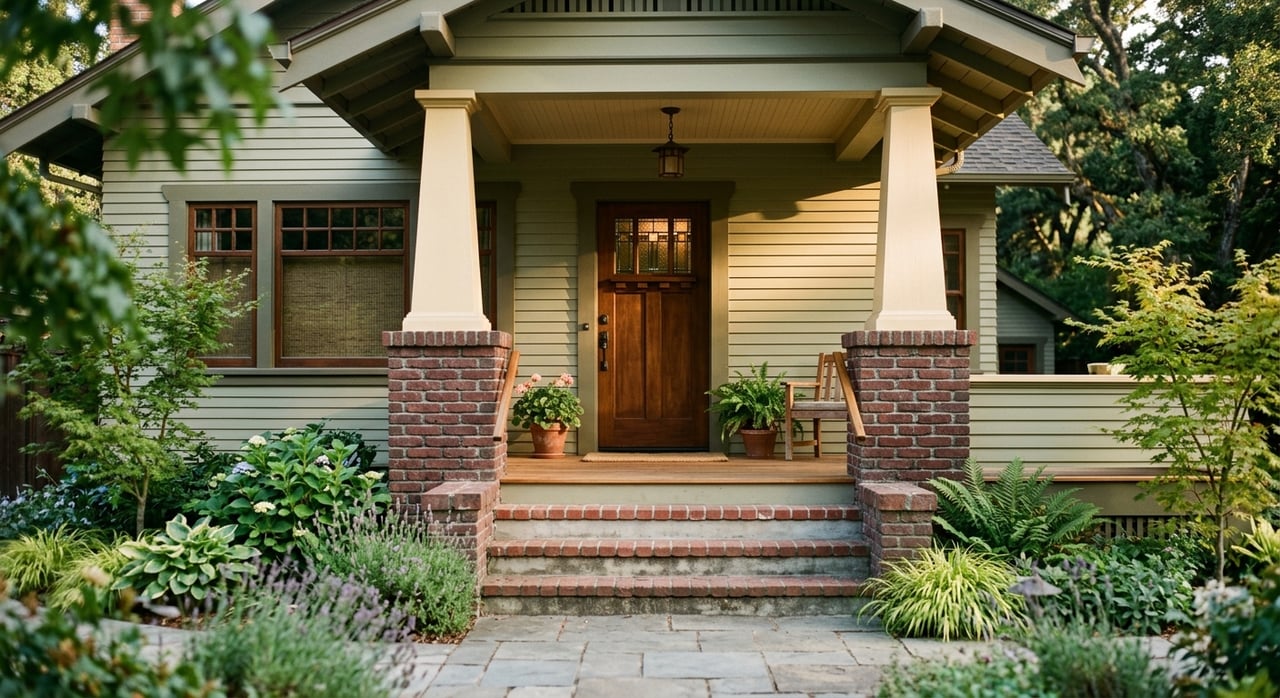
If you are house hunting in Winston-Salem, one question can shape almost everything else: do you want the charm of a historic home or the ease of a newer one? That choice affects your budget, maintenance plan, daily routine, and even how much driving you may do. The good news is that Winston-Salem offers strong options on both sides, and understanding the tradeoffs can help you buy with more confidence. Let’s dive in.
Winston-Salem gives you both options
Winston-Salem has room for buyers who want character and buyers who want convenience. As of March 2026, the city’s median sale price was $275,000, and homes averaged about 45 days on market. That means many buyers are still weighing price, condition, and location carefully instead of rushing into a market with no time to think.
In practical terms, the choice between historic and newer homes is less about which type is “better” and more about which lifestyle fits you best. In Winston-Salem, historic homes often offer stronger walkability and distinctive architecture, while newer homes often offer more predictable upkeep and energy performance.
Historic homes offer character and location
If you love homes with personality, Winston-Salem’s historic areas stand out right away. Neighborhoods like West End, Washington Park, and Old Salem include homes from earlier eras and a wide range of architectural styles.
West End is known as one of the most intact turn-of-the-century streetcar suburbs in North Carolina. Its homes were built mainly from 1887 to 1930 and include Queen Anne, Colonial Revival, Craftsman, Tudor Revival, and Neoclassical Revival styles. The neighborhood also features curving streets, parks, and a layout shaped by the area’s hills.
Washington Park is another well-known historic area with homes dating from the 1890s through World War II. Preservation records describe styles including Victorian, Queen Anne, Shingle, Neoclassical Revival, Craftsman, Colonial Revival, Moravian Revival, and Tudor Revival.
Old Salem reflects the city’s early Moravian roots and includes architecture from the 18th and 19th centuries along with later historic styles. You will find a broad mix here too, including German, Federal, Greek Revival, Gothic, Italianate, Second Empire, Queen Anne, Romanesque, Colonial Revival, and Bungalow/Craftsman homes.
Historic areas can feel more walkable
For many buyers, the biggest day-to-day difference is not the house itself. It is how the neighborhood feels once you live there.
Winston-Salem is car-dependent overall, with a citywide Walk Score of 22. But several historic in-town areas score much better. West End has a Walk Score of 71, Washington Park scores 53, and Old Salem scores 50.
That difference matters if you want easier access to downtown, parks, or neighborhood amenities. Washington Park also connects directly to the Salem Creek Greenway and Gateway Nature Preserve, which adds to its pedestrian-friendly feel.
Historic homes often need more planning
Charm comes with responsibility. In Winston-Salem’s local historic and historic overlay districts, exterior changes, new construction, demolition, and relocation usually require review and approval through a Certificate of Appropriateness process.
For you as a buyer, that means visible exterior projects may take more planning time than they would in a newer subdivision. If you want to repaint, replace windows, build an addition, or make other outside changes, it is smart to understand the review process before you buy.
Older homes can also come with age-related maintenance needs. Homes built before 1978 are more likely to contain lead-based paint, and renovation work that disturbs that paint must be handled by certified lead-safe contractors. That usually means inspections, repair estimates, and contractor selection matter even more.
Historic homes may need efficiency upgrades
Another common tradeoff is energy performance. Older homes can absolutely be improved, but efficiency is often something you build toward rather than something already built in.
According to ENERGY STAR, sealing air leaks and adding insulation can save up to 10% on annual energy bills. EPA modeling also estimates average savings of 15% on heating and cooling costs from air sealing plus insulation in common retrofit areas. If you buy an older home, it helps to budget not just for cosmetic updates, but for comfort and efficiency upgrades too.
Newer homes offer convenience and predictability
If your goal is a more turnkey move, newer homes may be the better fit. In Winston-Salem, newer development ranges from planned communities with amenities to more standard new construction options across different price points.
City planning documents note that some newer communities were designed to be more pedestrian-oriented, including places such as Brookberry Farm and Harper Hill Commons. At the same time, newer development in the city has often followed a large-lot subdivision pattern, and some communities are still being built out. That means amenities and nearby commercial spaces may arrive in phases rather than all at once.
Brookberry Farm is one of the better-known newer communities in the area. Its offerings include Estates, Cottages, and Traditional homesites, with new homes starting at $500,000 and up. The community also promotes a low-maintenance lifestyle for some of its cottage options.
New construction spans more price points than many buyers expect
It is easy to assume that all new homes in Winston-Salem are at the high end, but that is not the full picture. Current market data shows 211 new homes for sale in the city, with a median listing price of $300,000.
That inventory includes a wide range of options. Current examples run from a 2026-built home at $239,900 to a four-bedroom new build at $579,900. So while some planned communities sit in a higher price tier, newer construction overall still covers a broad affordability range.
Newer homes often mean lower early maintenance
For first-time buyers especially, a newer home can reduce some of the uncertainty that comes with older systems. ENERGY STAR says certified new homes and apartments offer better energy efficiency and performance than other homes and apartments, with benefits that can include better durability, comfort, and reduced utility and maintenance costs.
That does not mean a newer home is maintenance-free. It does mean your first few years of ownership may feel more predictable, especially if the roof, HVAC, plumbing, and electrical systems are all newer.
If you are trying to keep your monthly costs and surprise repairs under control, this can be a major advantage. A more turnkey house may cost more upfront in some cases, but it can also protect your cash flow after closing.
Newer neighborhoods may require more driving
The main tradeoff for many newer homes is location convenience. While some newer communities include pedestrian-friendly design, many are still more car-dependent than older in-town neighborhoods.
Brookberry Farm is one example. Listing and lifestyle data describe it as a place where most errands require a car. That setup is common in many newer subdivision settings around Winston-Salem.
So the question becomes simple: do you want a house that feels easier to maintain, even if it means driving more often? For some buyers, the answer is yes. For others, being closer to downtown or everyday destinations matters more.
Price comparison depends on neighborhood
Price is not as simple as “historic costs more” or “newer costs more.” In Winston-Salem, both categories cover a range.
In March 2026, West End’s median sale price was $411,500, with examples ranging from a $239,000 condo to a $785,000 1910 home. Washington Park’s median sale price was $263,000, with current listings around $145,900 to $375,000. Old Salem’s median sale price was much higher at $740,000.
That range matters because it shows that a historic address does not automatically mean one price level. The same is true for newer homes. Some communities aim at the upper end, but citywide new construction also includes homes closer to the overall Winston-Salem median.
How to decide what fits you best
The right home usually comes down to your priorities, not just your taste. If you are buying your first home, using VA financing, or trying to stay financially comfortable after closing, it helps to think beyond the listing photos.
Ask yourself:
- Do you want architectural character enough to accept more upkeep and planning?
- Would you rather pay for newer systems now or improve an older home over time?
- How important is walkability in your daily life?
- Are you comfortable budgeting for inspections, repairs, and possible lead-safe renovation work?
- Do you prefer an established in-town setting or a planned community lifestyle?
These questions can help you avoid buying a home that looks right on day one but feels wrong six months later.
The best choice is the one you can live with
In Winston-Salem, historic homes usually buy you character, location, and stronger walkability. Newer homes usually buy you newer systems, more predictable upkeep, and a more turnkey experience.
Neither path is automatically smarter than the other. A smart purchase is the one that fits your budget, your routine, and your comfort level with maintenance and planning.
If you want help weighing older homes against newer construction in Winston-Salem, Melanie Pipes can help you build a clear strategy, understand the tradeoffs, and move forward with confidence.
FAQs
What is the biggest difference between historic and newer homes in Winston-Salem?
- Historic homes usually offer more architectural character, central locations, and better walkability, while newer homes often offer newer systems, easier upkeep, and a more turnkey lifestyle.
What should buyers know about historic districts in Winston-Salem?
- In local historic and historic overlay districts, visible exterior changes, new construction, demolition, and relocation generally require review and approval through a Certificate of Appropriateness process.
What are some historic neighborhoods in Winston-Salem to explore?
- Well-known historic areas include West End, Washington Park, and Old Salem, each with different price points, housing styles, and neighborhood settings.
Are newer homes in Winston-Salem only in the luxury price range?
- No. Current new-home listings in Winston-Salem include a broad range, with a median listing price of $300,000 and examples from $239,900 up to $579,900 and beyond.
How walkable are historic neighborhoods in Winston-Salem compared with the city overall?
- Winston-Salem has a citywide Walk Score of 22, while West End scores 71, Washington Park scores 53, and Old Salem scores 50.
What extra costs can come with buying an older home in Winston-Salem?
- Older homes may require more inspection attention, repair reserves, lead-safe renovation planning for pre-1978 homes, and possible efficiency upgrades such as air sealing and insulation.
Are newer neighborhoods in Winston-Salem usually car-dependent?
- Many are. Even though some newer communities were designed with pedestrian-friendly features, many subdivision settings still require driving for most errands and daily activities.